

What to Look For in a Wood Burner Clearance Sale
Efficiency
When looking for a sale on wood burners, you should be aware of the efficiency of the appliance. The efficiency of a wood burner measures how much heat is absorbed by your home instead of going up the chimney. This directly relates to the amount you spend on firewood and how often you use your wood burner. EPA certified stoves must display the efficiency of combustion and overall heating. Choose a wood burner with an EPA listed overall efficiency of 70% or higher to make sure you're getting the most bang for your buck. More efficient means less waste and more money saved on fuel. This means less time spent cutting and stacking wood, as well as fewer trips to your pile of wood in winter snowstorms. This means more time to enjoy cozy nights in with a fire.
Safety
The majority of wood stoves available today have been tested for safety. Stoves that aren't tested include those purchased used or antique stoves as well as stoves made in informal welding shops. Most insurance companies refuse to cover homes with uncertified appliances.
A certified stove will have an indication of the minimum distance between the stove and combustible surfaces like walls and furniture. This information is also included in the manufacturer's installation instructions. Additionally the results of the tests conducted by the manufacturer will determine if the stove is in compliance with the requirements for fire resistance.
Even with proper clearances the wood burning device can be dangerous. Children should be kept out of the tools and should not be remain in a room where a wood burner is being used. They can be surprisingly hot and could burn skin and clothing in just a few seconds. Also, make sure to disconnect the tool when you aren't making use of it.
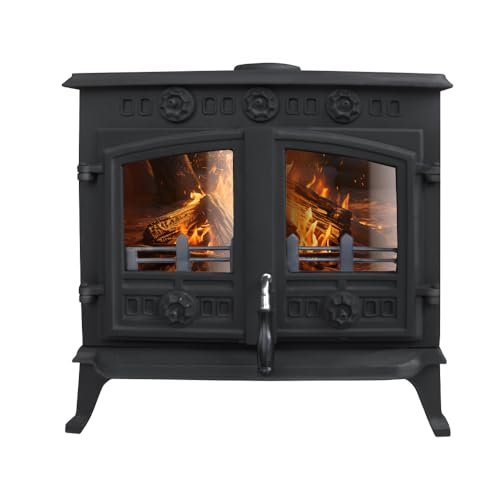
Safety in the kitchen isn't only about building materials. It also covers cleaning products and rags that are stored near a stove. It's important to keep curtains, blankets, throws, rugs, and other fabric out of the stove's clean space, too.
The clearances listed above can be reduced with the help of shielding that is appropriate. Always consult understanding to determine the recommended clearances. Talk to your local building inspector or officer if you're unsure if the shielding material you choose is suitable. They'll be able to confirm that it's in line with current fire safety standards. Installing smoke and carbon dioxide detectors around the stove is an option.